

Every construction project produces waste. From concrete chunks and scrap lumber to chemical containers and packaging, debris adds up fast. Without a structured plan, that waste becomes a liability, creating safety hazards, slowing down workers, and putting contractors at risk of regulatory fines. Effective management of construction debris does more than maintain a clean site. It has a direct impact on worker safety, project schedules, and compliance with local and federal laws.
The Maryland Department of the Environment and agencies such as the EPA and OSHA set requirements that apply to construction and demolition waste, and failing to comply carries real consequences. Learn how construction companies handle jobsite debris, from on-site sorting and roll-off dumpsters to construction waste recycling and working with professional hauling partners.
What is Considered Construction Debris?
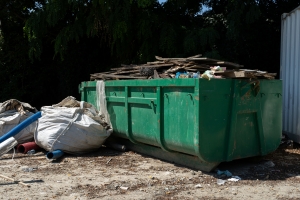
Construction and demolition (C&D) debris consists of various materials generated during construction, renovation, and demolition activities. C&D materials include steel, wood products, drywall, brick, asphalt shingles, concrete, and asphalt concrete generated in buildings, roads, and other structures.
Not everything belongs in the same location. Some materials can be recycled, some can be reused, while others need to be disposed of as hazardous waste by licensed professionals. Knowing the difference is the foundation of a solid construction debris management plan.
On-Site Sorting: Where Good Debris Management Starts
The most effective construction debris management begins before anything hits a dumpster. Sorting materials at the source, before they get mixed, simplifies recycling, lowers disposal costs, and keeps the site organized.
Most jobsite sorting systems separate materials into basic categories: wood and lumber, concrete and masonry, metals, drywall, and hazardous materials such as paints, solvents, or lead-containing components. Mixed streams limit what can be recovered and often drive up disposal fees. Keeping them separated pays off at every stage of jobsite debris disposal.
Roll-Off Dumpsters: The Core Tool for Jobsite Waste
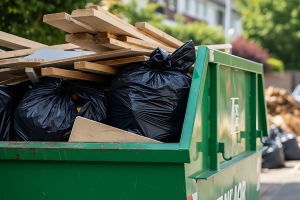
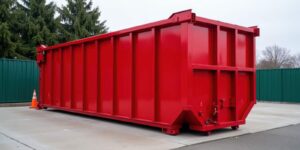
For most construction projects, roll-off dumpsters are the primary tool for managing debris. They handle high-volume waste, can be positioned close to work areas, and are available in sizes that match project scopes ranging from a small remodel to a full commercial build.
Getting the right size matters. An undersized container fills up too quickly; an oversized one wastes money. Scheduled pickups are just as important as the containers themselves. Construction waste removal is most effective when it is integrated into the project timeline instead of being considered an afterthought.
OSHA Standard 1926.25 requires that containers be provided for waste collection and that garbage be removed at frequent, regular intervals. It also requires work areas to be kept clear of scrap lumber, debris, and other materials that create fall or struck-by hazards. A reliable roll-off dumpster service is a direct line to meeting those requirements.
Construction Waste Recycling: Recovering Value from the Debris Stream
A well-run jobsite does not send everything to disposal. The EPA promotes a Sustainable Materials Management approach that treats certain C&D materials as commodities rather than waste. Asphalt and concrete are commonly processed into aggregate or new paving products. Metals like steel and copper are valuable enough that scrap dealers actively seek them. Wood can be turned into mulch, engineered products, or compost.
Incorporating construction waste recycling into building site waste management also reduces overall disposal costs, since recycling facilities often charge less per ton than general waste processing.
Hazardous Materials: A Category That Requires Special Handling
Some materials on a construction site cannot go into a standard roll-off container. Hazardous waste is common on jobsites and includes lead-based paint, asbestos from older structures, solvents, adhesives, used oil, and certain coatings.
Improperly disposing of these materials may lead to substantial fines and enduring environmental repercussions. The Maryland Department of the Environment oversees solid and hazardous waste regulations in the state. Contractors in Maryland need to be aware of both state and federal requirements when disposing of regulated materials. Working with a licensed hazardous waste handler is not optional; for certain quantities, it is a legal requirement.
What the Best Jobsite Debris Programs Have in Common
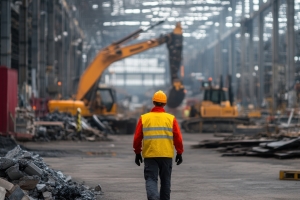
Construction companies that manage debris well start planning early and stay consistent throughout a project. That means sizing dumpsters to the actual scope of work, scheduling pickups around project milestones, training workers on sorting procedures, and designating specific on-site areas for each material type.
Partnering with a dependable construction waste hauling service ties it all together. A good provider handles logistics, keeps containers exchanged on schedule, and makes sure materials reach the right disposal or recycling facilities, removing one of the most disruptive variables on an active site.
Eagle Transfer Services: Built for Maryland Job Sites
At Eagle Transfer Services, we’ve been supporting construction debris management across Maryland and the DMV region for over 46 years. We offer roll-off dumpsters in multiple sizes to fit any project scope, along with specialized hazardous waste disposal for jobs that go beyond standard debris. Whether your project calls for routine construction debris management or specialized hazardous material handling, we have the equipment and experience to get it done right.
We answer the phone with a live person, show up when we say we will, and follow through on every pickup. If you’re managing a construction project in Maryland and need dependable jobsite cleanup services, contact us today to discuss your project’s needs.
Contact us online or call (410) 983-3332 to get started.
About Us
Since 1979, Eagle Transfer Services has been the Mid-Atlantic's trusted partner for safe, responsible, and efficient waste management. Our commitment to dependable service and environmental responsibility hasn't changed in over 47 years — and it never will.
Learn more →I've been using this company for my business for years. They are always on time and professional. I highly recommend them for all your waste management needs!
These guys are great! They always go above and beyond to make sure my trash is taken care of. I would recommend them to anyone.