

Every business produces waste. The question is whether you have a system in place to handle it properly, or whether you’re leaving yourself exposed to compliance violations, unnecessary costs, and environmental risk.
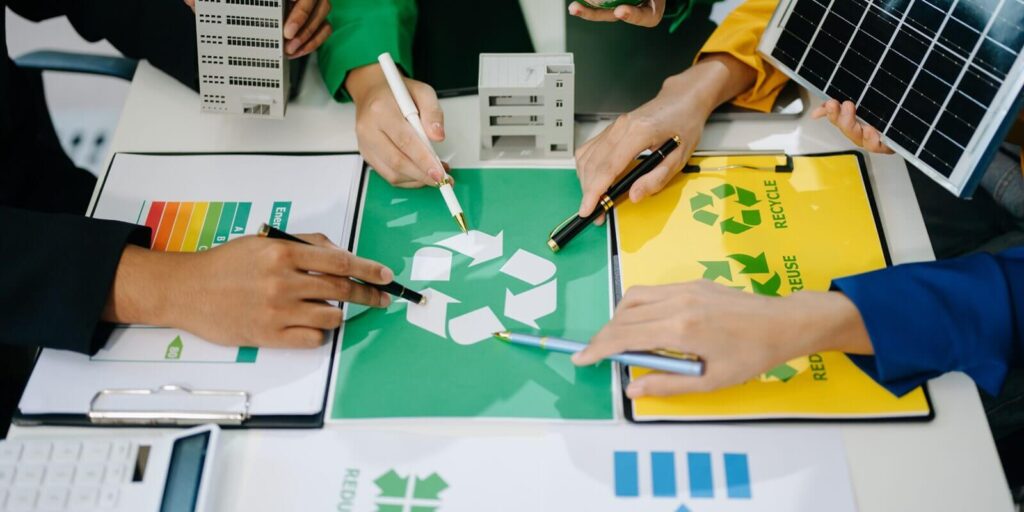
A waste management plan for a business goes beyond being just a checklist. It’s a structured approach to identifying what your operation generates, how it should be stored and disposed of, and who is responsible for each step.
This blog outlines the core steps to building an effective plan, from conducting a waste audit and setting reduction goals to establishing proper storage procedures and choosing the right service provider.
Start with a Waste Audit
Before you can build a business waste management strategy, you need to know what you’re working with. Take stock of every waste stream your facility generates: what types are produced, how much is generated, and where they originate.
The EPA’s guide on Managing and Reducing Wastes for Commercial Buildings recommends a formal waste assessment to identify the quantity and composition of materials in your waste stream. Some local governments and haulers even offer free audits, so it’s worth asking before spending money on a consultant. This baseline is what everything else in your plan will be built on.
Classify Your Waste Streams
Not all waste is handled the same way. Businesses typically handle two categories: non-hazardous solid waste (cardboard, food scraps, office waste, construction debris) and hazardous waste, which includes materials that are ignitable, corrosive, reactive, or toxic, such as chemicals, solvents, and paints.
Hazardous waste is regulated under the Resource Conservation and Recovery Act (RCRA), which governs it from generation through final disposal. OSHA also sets standards for businesses handling hazardous materials on-site, covered in their Hazardous Waste overview. Knowing which rules apply to your operation and how much waste you generate is the starting point for any hazardous waste management plan.
Set Goals for Reduction and Recycling
Once you know what you’re generating, set measurable targets. The EPA’s Small Business Waste Prevention Guide notes that waste prevention helps businesses cut costs, reduce liability, and strengthen community standing. A good waste management plan for business focuses on reducing what gets generated, not just disposing of it.
Aim for specific, time-bound goals: reduce total waste volume by a target percentage, increase recycling ratesfor certain materials, or eliminate certain hazardous inputs through product substitution. Track progress quarterly and adjust as needed.
Establish Waste Segregation and Storage Procedures

Clear waste segregation guidelines are among the most practical components of any waste disposal plan. When employees don’t know which bin to use or how to handle regulated materials, contamination happens, costs rise, and compliance slips quickly.
The EPA’s guidance for small businesses outlines specific storage time limits and container requirements for hazardous waste generators. Exceeding those limits, even unintentionally, can trigger regulatory consequences. Labeled containers, designated storage areas, and clearly posted procedures for each waste type make it easier for every employee to do the right thing without having to guess.
Designate Responsibilities and Educate Your Team
A waste management plan is effective only when everyone follows it. Designate a point person to monitor daily operations, confirm that procedures are being followed, and coordinate with your service provider. Make sure all employees, especially those handling hazardous materials, know how to identify regulated waste, handle it safely, and respond to a spill. Refresher training at least once a year helps keep those habits sharp and your operation accountable.
Schedule Regular Pickups and Work with a Reliable Provider
Even a well-built waste management plan for business falls apart without dependable service. Work with a provider who has experience handling both hazardous and non-hazardous streams, offers appropriate container sizing for your volume, and maintains proper disposal documentation. Irregular pickups lead to overfull containers, safety hazards, and potential violations. Consistent pickups are what keep the plan working week to week.
Stay Informed on Regulations
Waste compliance regulations can change at both the federal and state levels. Maryland businesses operate under requirements from the Maryland Department of the Environment, as well as federal EPA and OSHA standards. Build in a formal annual review of your business waste management plan, and revisit it whenever your operations, materials, or service providers change significantly. The cost of staying current is far lower than the penalties for falling behind.
Build an Effective Waste Management Plan for Your Business
At Eagle Transfer Services, we’ve been helping businesses across Maryland manage their waste properly for over 46 years. Whether you need roll-off dumpster service, dependable curbside pickup, or specialized hazardous waste removal, we show up, follow through, and make it easy to reach a real person when you need one.
Building a waste management plan for your business starts with understanding what you’re dealing with and having a service partner who can handle it. Contact us online or give us a call at (410) 983-3332 to put together the right solution for your business.
About Us
Since 1979, Eagle Transfer Services has been the Mid-Atlantic's trusted partner for safe, responsible, and efficient waste management. Our commitment to dependable service and environmental responsibility hasn't changed in over 47 years — and it never will.
Learn more →I've been using this company for my business for years. They are always on time and professional. I highly recommend them for all your waste management needs!
These guys are great! They always go above and beyond to make sure my trash is taken care of. I would recommend them to anyone.