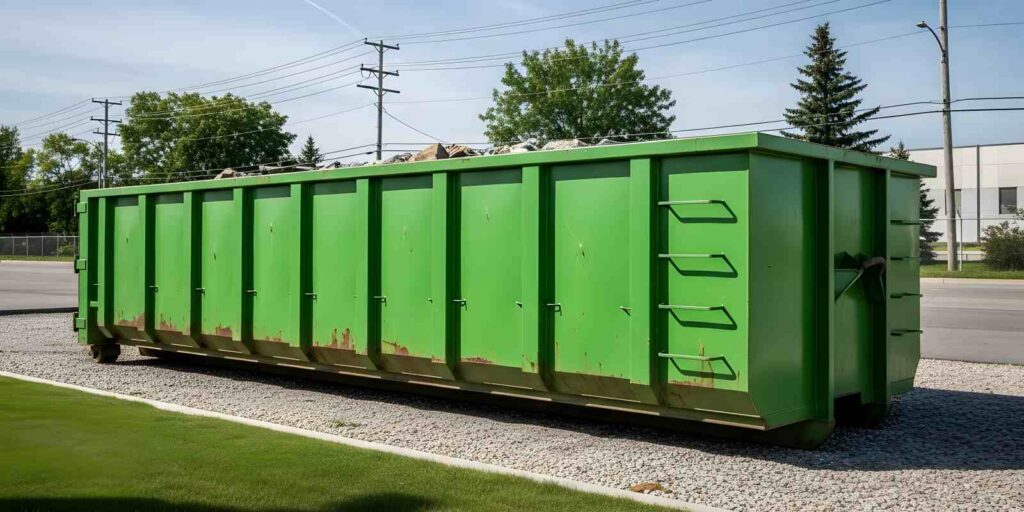

Roll-off dumpster rental in Maryland is one of the most practical ways to manage high volumes of waste on a job site, during a commercial renovation, or during a major property cleanout. Contractors, property managers, and business owners rely on these containers because they’re efficient, flexible, and built for the kind of heavy-duty work that everyday trash pickup can’t handle. That said, the wrong container size, a bad placement spot, or a prohibited material can derail a project fast.
There are a few things worth knowing before you schedule a delivery. This article will walk you through what the dumpster rental process in Maryland actually looks like, from choosing the right size to understanding placement rules and what you can and cannot put in the dumpster.
What Is a Roll-Off Dumpster?
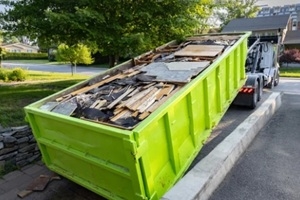
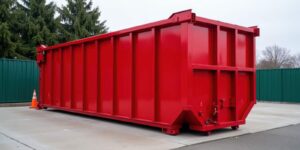
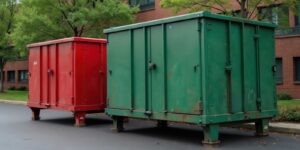
A roll-off dumpster is an open-top, rectangular container that is delivered by a specialized truck and placed directly onto your driveway or job site. These containers are built for temporary, high-volume jobs.
Roll-off dumpster rental customers in Maryland use them for construction and demolition, commercial renovations, property cleanouts, and roofing or landscaping jobs. They are not a substitute for ongoing waste collection, which requires a separate curbside or commercial service.
Choosing the Right Size
The first step is picking the right container size. Roll-off dumpsters are sized in cubic yards, which indicates the volume they can accommodate.
Common roll-off dumpster sizes in Maryland include:
- Small 10-yard containers are well-suited for small projects, such as a single-room cleanout or minor landscaping work.
- Medium 20-yard containers handle mid-sized projects such as flooring replacement or a multi-room renovation.
- Large 30-yard containers work for larger construction jobs, commercial projects, or significant property cleanouts.
- Extra-Large 40-yard containers are the largest option, suited for major demolition projects, large-scale commercial work, or whole-property cleanouts generating the highest volumes of debris.
Picking the right size matters for cost and efficiency. Go too small, and you’ll need an additional swap. Go too too large, and you’re paying for unused space. A reliable provider can assist you in making that decision based on the kind and amount of material you’re disposing of.
How the Delivery and Pickup Process Works
Once you schedule, here’s what to expect:
Delivery day: The truck arrives and positions the container in your designated area. The driver needs a clear, flat surface with adequate overhead clearance, free of low-hanging branches, power lines, or other obstructions.
Usage period: Most commercial dumpster rental agreements in Maryland include a set number of days on-site. Make sure to confirm the timeline when you make your booking, and if you require additional time, extensions can typically be arranged prior to the pickup date.
Pickup: When loading is complete, the provider hauls the container away for proper waste disposal. Some providers offer on-call pickup if you fill the container ahead of schedule.
Placement Rules and Permit Requirements
Where you place a roll-off container in Maryland depends on whether it sits on private or public property. Private property placements, such as parking lots and driveways, generally do not require a permit. But a public street or sidewalk placement typically does, through your local jurisdiction.
Requirements vary by county. Baltimore County has its own dumpster use permit process, and Montgomery County’s Department of Permitting Services handles similar approvals through its eServices system. In either case, placement must not block traffic, obstruct driveways, or interfere with pedestrian access.
If you live in a community with a homeowners association, be sure to consult with your HOA prior to making any scheduling arrangements. Some communities have placement restrictions that go beyond local government rules.
What You Can and Cannot Put in a Roll-Off Dumpster
Knowing what goes in the container is as important as picking the right size. Prohibited materials aren’t just a policy issue. They’re a legal one.
The Maryland Department of the Environment (MDE) is responsible for regulating hazardous waste management throughout the state. According to MDE, hazardous waste must be stored and disposed of safely to prevent harm to people and the environment, and only licensed transporters may carry it. Paint, solvents, batteries, motor oil, pesticides, and similar chemicals cannot be placed in a standard roll-off container.
MDE’s Solid Waste Program also notes that improper handling of waste can pose direct threats to public health and Maryland’s natural resources, particularly water resources, which is especially significant given Maryland’s role in protecting the Chesapeake Bay watershed.
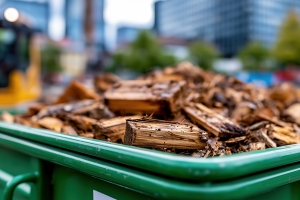
Generally accepted materials include: construction debris, roofing materials, drywall, concrete, wood, yard waste, and non-hazardous commercial waste.
Prohibited materials typically include: hazardous chemicals, flammable liquids, motor oil, asbestos, batteries, paints, solvents, and medical waste.
Containers must not be overfilled. Material should stay at or below the top edge, as overfilled loads create safety risks during transport and may violate DOT regulations.
What It Costs
The cost of a roll-off dumpster rental in Maryland depends on several factors, and pricing can vary from one project to the next. Container size is the most obvious variable, but it’s not the only one.
Weight limits are built into most service agreements. If your load exceeds the included tonnage, overage fees apply per ton. This is especially relevant for heavy materials like concrete, brick, or roofing shingles, which can hit weight limits well before the container looks full.
Rental duration matters too. Most agreements include a set number of days on-site, and extending beyond that window typically adds a daily fee. If your project timeline is flexible, ask your provider about extended rental options upfront rather than paying for overages after the fact.
Location and delivery distance can also affect pricing. Providers serving a defined radius, like Eagle Transfer Services’ 25-mile service area around Finksburg, Maryland, may charge differently for deliveries at the edges of that range.
Finally, what you’re disposing of plays a role. Mixed loads, specialty debris, or materials requiring separate processing can carry different rates than standard construction waste.
The best way to avoid surprises is to get a detailed cost breakdown before you schedule. Ask about weight limits, included days, overage rates, and any fees tied to material type so you know exactly what you’re paying for.
Get the Job Done Right with Eagle Transfer Services
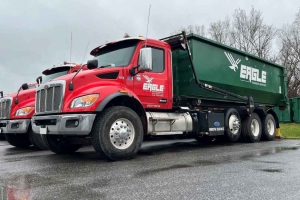
At Eagle Transfer Services, we’ve spent over 46 years getting roll-off dumpster service right across Maryland. That means showing up on time, communicating clearly, and following through on what we say we’ll do. We serve residential, commercial, and municipal customers within a 25-mile radius of Finksburg, Maryland.
When you call us, you get a real person, not a voicemail. We help you pick the right container, walk you through the process, and keep your project on track. Contractors, property managers, and businesses handling major cleanups all work with us for the same reason: we show up and get it done.
Contact Eagle Transfer Services today online or call (410) 983-3332 to talk through your project and schedule your roll-off dumpster service in Maryland.
About Us
Since 1979, Eagle Transfer Services has been the Mid-Atlantic's trusted partner for safe, responsible, and efficient waste management. Our commitment to dependable service and environmental responsibility hasn't changed in over 47 years — and it never will.
Learn more →I've been using this company for my business for years. They are always on time and professional. I highly recommend them for all your waste management needs!
These guys are great! They always go above and beyond to make sure my trash is taken care of. I would recommend them to anyone.