

Not all waste ends up in the same place. While routine trash and recyclables follow a standard path, certain materials are subject to strict state and federal regulations governing their storage, handling, transportation, and disposal. For Maryland businesses, getting this wrong can mean fines, liability, and real harm to workers and the surrounding environment.
The regulated waste categories covered here span industries from healthcare to construction to manufacturing, so the odds are good that at least one applies to your operation. The Maryland Department of the Environment (MDE) is the primary regulatory authority overseeing these requirements, and the EPA enforces accountability under a “cradle to grave” framework.
This article covers the main categories of waste requiring special disposal in Maryland and what your business needs to know to stay compliant.
Hazardous Waste
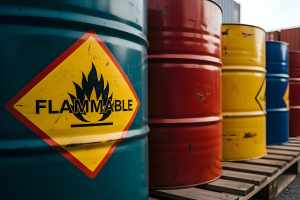
Hazardous waste is the broadest and most heavily regulated category under Maryland’s special waste disposal requirements. The MDE classifies a substance as hazardous if it poses a threat to the environment or human health when not handled properly. The four traits that initiate this classification include ignitability, corrosivity, reactivity, and toxicity.
Maryland regulates hazardous waste under COMAR 26.13, which mirrors the federal RCRA framework. Waste must be stored in approved, labeled containers; manifests must be kept for at least 3 years; and all transportation must use a licensed hauler. Generator categories scale requirements based on monthly output. The University of Maryland offers a helpful overview.
Medical and Biohazard Waste
Healthcare facilities, labs, dental offices, and home healthcare providers generate what Maryland calls Special Medical Waste (SMW), including sharps, infectious materials, pathological waste, and certain pharmaceuticals.
Maryland’s medical waste disposal rules that Maryland businesses must follow are codified in COMAR 26.13.11. Facilities must obtain a Maryland Identification Number, store SMW separately from regular trash, and use haulers with a Special Medical Waste Hauler Permit. Approved treatment methods include autoclaving, incineration for pathological waste, and encapsulation for sharps. Disposal certificates and training logs must be kept on-site.
Electronic Waste (E-Waste)

Electronic devices include hazardous heavy metals like lead, cadmium, and mercury, which can contaminate soil and groundwater if they are discarded with regular trash. Maryland’s statewide eCycling program under Sections 9-1727 to 9-1730 of the Environment Article requires manufacturers to register with the MDE and support recycling programs for covered devices, including computers, monitors, and televisions.
For e-waste disposal in Maryland, commercial quantities require a certified recycling provider. Special waste disposal Maryland rules around electronics are frequently overlooked, and retailers cannot sell covered devices from unregistered manufacturers.
Industrial Chemicals and Solvents
Industrial operations routinely generate chemical waste, including solvents, cleaning agents, and process byproducts, which often qualify as hazardous waste under Maryland waste-disposal requirements. Multiple federal and state agencies share oversight of chemical waste disposal guidelines, including the EPA, MDE, DOT, and OSHA.
Maryland businesses must address storage compatibility, labeling, employee training, and manifesting. Improper disposal carries civil and criminal penalties.
Batteries
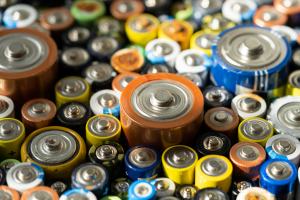
Batteries fall under Maryland’s Universal Waste regulations, a streamlined category that simplifies the management of common hazardous waste streams. Types that require regulated waste disposal include lead-acid batteries, lithium-ion batteries, and nickel-cadmium batteries. None of these items should be disposed of in the regular trash.
Facilities must show that batteries have been on-site for less than 1 year and arrange transport to an approved recycling facility. Battery disposal is a common area of noncompliance in Maryland’s special waste disposal. The MDE’s Household Hazardous Waste page includes county-level resources, though commercial generators contend with additional requirements.
Used Oils and Petroleum Products
Used motor oil, hydraulic fluid, and other petroleum-based waste are regulated separately in Maryland. Under Maryland’s special waste disposal rules, dumping used oil, burning it in an uncontrolled manner, or mixing it with other waste is prohibited. If contaminated with a hazardous substance, it may be subject to full hazardous waste rules. Businesses in automotive, fleet, or industrial sectors need proper storage in sealed, labeled containers and a licensed transporter for pickup.
Fluorescent Lighting
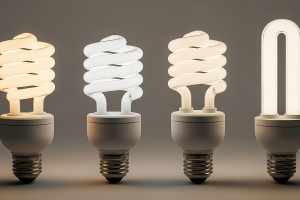
Fluorescent bulbs contain mercury, making fluorescent light disposal in Maryland businesses subject to both state and federal rules. The MDE strongly recommends recycling and provides a county-by-county guide to help businesses find local options.
Intact fluorescent bulbs can generally be managed as Universal Waste for commercial facilities. If bulbs are crushed on-site, the resulting material may require handling as complete hazardous waste. All Universal Waste lamps must go to a licensed recycling contractor and cannot be mixed with general refuse.
Why Using a Licensed Provider Matters
In short, what do these rules mean for your business?
The generator of the waste is responsible. Under the EPA’s cradle-to-grave framework, the business that generates the waste is liable for its management, even after it leaves the property. Penalties for non-compliance with the regulated waste disposal rules in Maryland can include fines and enforcement actions.
A licensed provider manages labeling, manifesting, transportation compliance, and documentation, allowing your team to concentrate on operational tasks.
Partner with Eagle Transfer Services for Regulated Waste Disposal in Maryland
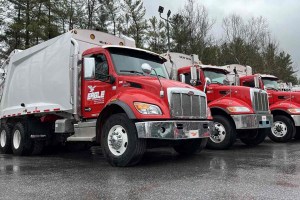
At Eagle Transfer Services, we’ve been serving Maryland businesses, communities, and municipalities for 46 years. We understand what’s at stake when special waste disposal in Maryland is involved, and we take that responsibility seriously.
Whether you’re working through chemical waste disposal guidelines, managing hazardous waste types Maryland regulations cover, or coordinating industrial waste management pickups, our team shows up and follows through. When you reach out to us, you’ll speak with a real person who is prepared to assist you in resolving your issue.
Contact Eagle Transfer Services online or call (410) 983-3332 to discuss your waste management needs.
About Us
Since 1979, Eagle Transfer Services has been the Mid-Atlantic's trusted partner for safe, responsible, and efficient waste management. Our commitment to dependable service and environmental responsibility hasn't changed in over 47 years — and it never will.
Learn more →I've been using this company for my business for years. They are always on time and professional. I highly recommend them for all your waste management needs!
These guys are great! They always go above and beyond to make sure my trash is taken care of. I would recommend them to anyone.