
Picking the wrong dumpster size costs more than most owners expect. A container that’s too small fills up before the job is done, creating safety concerns, delays, and emergency pickup costs. One that’s too large means you’re paying for space you don’t use. According to the U.S. Environmental Protection Agency, commercial sources contribute to more than 292 million tons of municipal solid waste generated annually. Right-sizing starts with choosing the right container.
The Maryland Department of the Environment requires businesses to properly handle commercial solid waste, making the right container setup a compliance issue, not just a budget decision. If you’re trying to figure out which commercial dumpster size fits your operation, here’s what to consider: how much waste you generate, what kind of material you’re handling, how long the project runs, and how to avoid overage charges from an undersized unit.
Start with Volume: How Much Does Your Operation Generate?
Before looking at container dimensions, you need an honest sense of how much material your project or operation produces. Roll-off dumpsters are measured in cubic yards. One cubic yard is a 3-foot-by-3-foot-by-3-foot cube, roughly 27 cubic feet, and that measurement tells you how much debris a container can hold by volume.
For project-based work, think through the scope before ordering. A bathroom renovation generates far less material than a full gut rehab. A seasonal cleanout of an office or storage space is a different job than clearing an entire facility. Sizing up front prevents the need to swap containers mid-project.
Commercial Dumpster Sizes: A Practical Breakdown
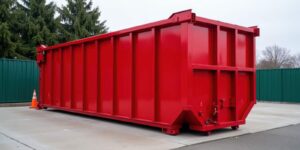
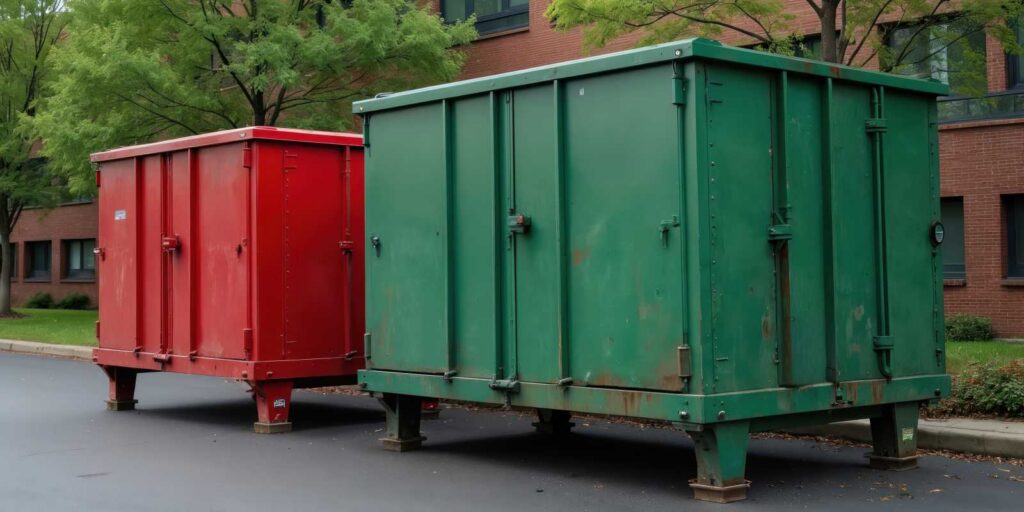
Roll-off containers come in four standard sizes — Small, Medium, Large, and X-Large. Here’s how each one fits different types of commercial and project-based work:
Small (10-Yard Dumpster)
The 10-yard container is well-suited for household cleanouts, light debris removal, and small renovation jobs. For businesses, it works for office or retail space cleanouts, minor remodeling, and smaller-scale material removal. It’s a practical choice when site space is limited.
Medium (20-Yard Dumpster)
The 20-yard container handles small- to mid-sized renovation work and is one of the most commonly requested sizes for commercial work. It covers remodeling projects, roofing and siding jobs, and office or retail build-outs that generate a moderate but sustained volume of debris.
Large (30-Yard Dumpster)
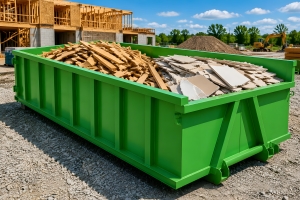
The 30-yard container is the go-to for commercial construction, landscaping projects, and renovation work that produces higher volumes of mixed materials. Contractors managing multi-room renovations, property managers clearing larger spaces, and businesses preparing for a facility overhaul typically land here. It’s the right dumpster size for business operations with consistent, heavy output over a longer project timeline.
X-Large (40-Yard Dumpster)
The 40-yard container is built for demolition work, large construction projects, and commercial jobs involving bulky or high-volume materials. It’s the largest available size, designed for operations where debris accumulates quickly, and the container needs to keep pace with the work.
Four Factors That Shape Your Dumpster Size Decision
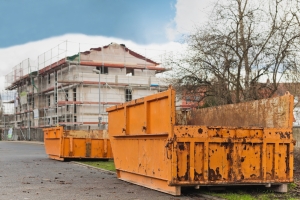
Volume is the starting point, but it’s not the only variable. Several practical factors affect which container size works best.
Heavy materials like concrete, roofing shingles, and wet debris weigh significantly more than cardboard or general waste. Most containers have weight limits, and exceeding them leads to additional charges. High-density material may require a smaller container filled less full rather than a larger one at capacity.
Project duration matters too. A job that runs two weeks generates more total volume than a weekend cleanout, even if daily output is similar. Longer timelines may call for a larger container or scheduled swap-outs.
Roll-off containers also require adequate clearance for delivery and pickup. Confirming access before ordering prevents placement problems on the day of delivery.
Finally, certain waste streams carry specific handling obligations under state law. If your business falls under MDE’s solid waste program, make sure your container setup meets disposal requirements.
How to Avoid Overage Fees on Commercial Dumpster Service
Overage charges are preventable with the right setup. The EPA’s guidance for commercial buildings makes the point that businesses that actively assess their waste volume tend to spend less than those that just set up a container and forget about it. A little assessment upfront saves money throughout the project.
A practical rule in any dumpster sizing decision is to build in a buffer above your estimated volume. That cushion covers unexpected material and the kinds of surprises that come up on most job sites. Separating recyclables like cardboard, clean wood, and certain metals from general debris can also reduce what goes into the container.
The EPA’s small business guidance makes a useful point: you pay for materials when you buy them, and you pay again when you throw them away. Reducing what ends up in the container is both an operational and a cost question.
Put 47 Years of Experience Behind Your Next Dumpster Decision
At Eagle Transfer Services, we’ve been helping Maryland businesses and contractors get commercial waste removal right for over 47 years. We look at your project scope, your site, and your timeline before recommending a size, because the right fit from the start keeps a job moving and costs predictable. Contact Eagle Transfer Services online or call (410) 983-3332 to get started.
About Us
Since 1979, Eagle Transfer Services has been the Mid-Atlantic's trusted partner for safe, responsible, and efficient waste management. Our commitment to dependable service and environmental responsibility hasn't changed in over 47 years — and it never will.
Learn more →I've been using this company for my business for years. They are always on time and professional. I highly recommend them for all your waste management needs!
These guys are great! They always go above and beyond to make sure my trash is taken care of. I would recommend them to anyone.