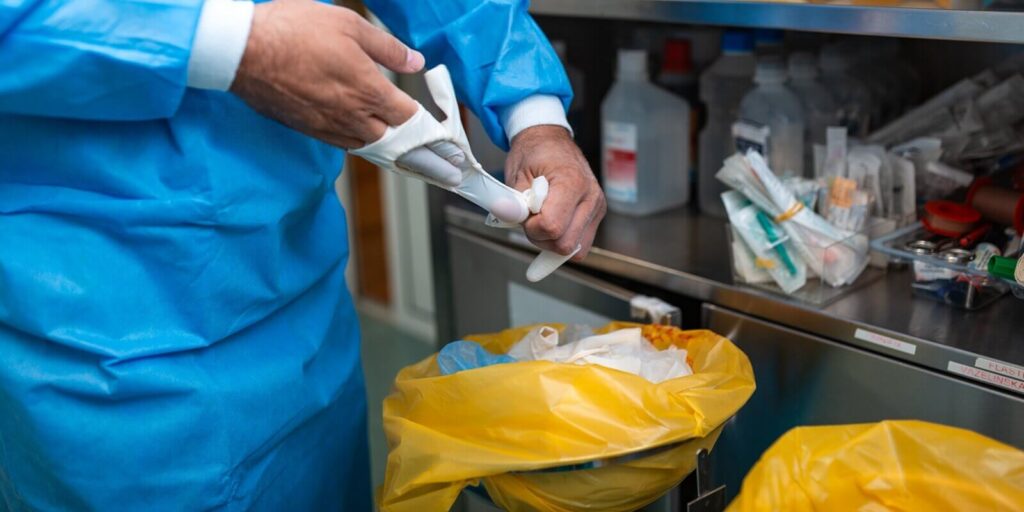

Commercial waste management services help healthcare facilities keep everyday waste moving while keeping regulated materials in the proper waste stream. Reliable service also supports cleaner work areas and more consistent recordkeeping.
Healthcare facility waste management can involve ordinary commercial waste, construction debris, hazardous materials, and special medical waste. Some of those materials follow different handling and documentation requirements, so facility managers need a clear service plan that defines which provider handles each waste stream.
Healthcare Facilities Manage Several Waste Streams
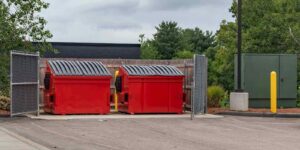
Healthcare buildings generate everyday commercial waste through routine operations and supply deliveries. Cardboard can make up a significant portion of that volume when medical equipment or other supplies arrive.
Renovation work creates debris that should be managed separately from regular facility waste. A roll-off dumpster service gives project teams a designated container for approved construction materials.
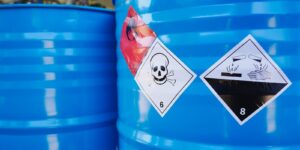
Some healthcare operations also generate hazardous or special medical waste that requires specific handling. Maryland rules apply to materials such as sharps and pathological waste, while hazardous waste requirements depend on the material and amount generated. Facility managers should confirm which provider is responsible for each regulated waste stream before service begins.
Maryland Has Separate Rules for Special Medical Waste
The Maryland Department of the Environment regulates companies that transport special medical waste. MDE certifies both special medical waste haulers and the vehicles they use through its medical waste certification process.
That requirement affects how healthcare facilities organize service. A company handling ordinary commercial waste may have a different service scope from the company transporting special medical waste.
Facility managers should ask each provider to explain its approved service scope in writing. Staff can then match each container and waste stream with the correct provider.
This becomes especially useful at facilities that use several waste companies. Clear responsibilities reduce confusion when staff need to schedule service or report a problem.
Pickup Schedules Should Follow Facility Activity
Waste volume changes with procedure schedules, supply deliveries, and renovation work. Reviewing container levels over several weeks helps facility managers see when capacity becomes tight and whether service frequency needs to change.
Container size also depends on the space available around the building. Properties with limited loading space may need smaller containers or more frequent service to keep the area usable.
Shared loading areas require careful scheduling because waste collection often overlaps with supply deliveries and linen service. Consistent pickup timing helps prevent containers from interfering with normal facility operations.
Local route coverage can affect response time when service needs change. Facility managers should ask how the provider handles added pickups or container swaps when volume increases unexpectedly.
Waste Records Should Be Easy to Find
Healthcare facilities need clear records for waste streams covered by federal or state requirements. A facility using hazardous waste service should know which documents it receives after pickup.
EPA’s manifest system tracks hazardous waste from the generator through transportation and final receipt. Many records are handled electronically through EPA’s e-Manifest system, while paper records still apply in some situations.
Facility managers need a consistent place to store these records and a clear contact for missing documentation.
A new laboratory or service line can change the type or amount of waste a facility generates. Waste procedures should be reviewed when those operational changes occur.
What to Ask Before Choosing a Waste Provider
Facility managers can learn a great deal about a provider by asking how routine service problems are handled before signing an agreement.
- How does the company handle a missed pickup? Ask who the facility should contact and how the company communicates a revised service time. The answer shows what staff can expect when normal scheduling breaks down.
- Which materials can the company handle? Ask for a clear description of the waste streams covered by the agreement. Any materials outside that scope should be identified before containers arrive.
- Which records will the facility receive? Ask how hazardous waste tracking documents and service records are delivered. Facility managers also need a clear process for retrieving older records when an administrator or regulator requests them.
- How does the company respond to changing volume? Renovations and new medical services can increase waste at different times. Ask how container size or pickup frequency can be adjusted when facility needs change.
- What safety procedures apply on the property? Healthcare loading areas can stay busy throughout the day. Ask how drivers handle backing, container placement, and other work around active service areas.
The answers should give the facility manager a practical picture of what service will look like after the agreement begins.
Over 47 Years of Commercial Waste Management Across Maryland
Eagle Transfer Services answers the phone with a live person and works directly with customers when service needs change. Our team can help healthcare facilities review waste service, scheduling, and hazardous waste needs based on their operation.
Call (410) 541-4197 or contact our team to discuss waste service for your healthcare facility.
About Us
Since 1979, Eagle Transfer Services has been the Mid-Atlantic's trusted partner for safe, responsible, and efficient waste management. Our commitment to dependable service and environmental responsibility hasn't changed in over 47 years — and it never will.
Learn more →I've been using this company for my business for years. They are always on time and professional. I highly recommend them for all your waste management needs!
These guys are great! They always go above and beyond to make sure my trash is taken care of. I would recommend them to anyone.