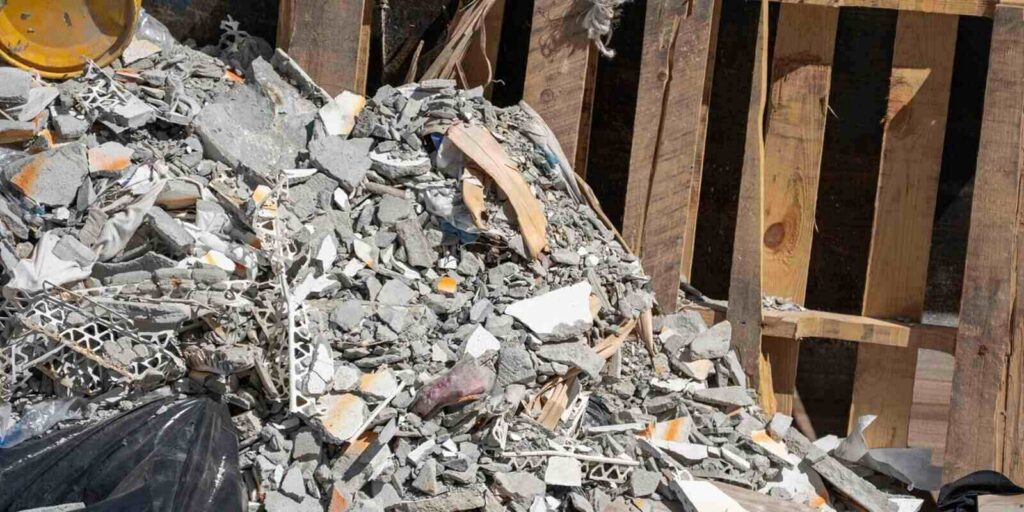

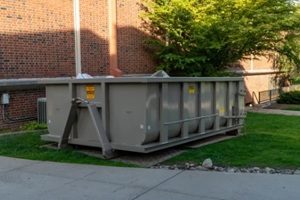
Roll-off dumpster services help manage roofing and demolition debris by giving crews one place to load heavy material throughout the project. Roofing tear-offs generate debris quickly, and a container helps keep the work area organized.
Roofing and demolition projects produce heavy material, so choosing the right container keeps the work moving. Debris removal can also be planned around the type of material coming off the job.
How Shingle and Concrete Weight Affects Container Size
Roofing and demolition debris add weight fast because materials such as shingles and concrete are heavy for their size. A container may still have open space even after the load has become heavy.
Roofing projects also produce more weight when old shingles hold moisture or when several layers are removed at once. Brick and concrete debris weigh far more than wood and drywall, so the material you’re tearing out affects which dumpster size you need.
Knowing what will come off the project helps the service team plan for the load before work begins.
Planning for Roofing Tear-Off Debris
Roof size gives contractors a starting point for estimating how much material a tear-off will produce. Roof pitch also affects the amount of surface area being removed.
The number of existing shingle layers adds more material to the job. Tear-offs sometimes uncover rotted decking, too, which brings another variable on top of size, pitch, and layer count. Replacing damaged plywood or oriented strand board sends additional wood debris into the same container as the shingles.
Sharing the roof size, layer count, and any decking concerns before work begins gives the service team a clearer picture of the expected load.
Container Size for Demolition Projects
Container size for demolition depends on how much material will be removed and how heavy it is.
- A 30-yard container is often used for residential gut projects and fits some demolition work.
- A40-yard container offers more room for major commercial projects, warehouse cleanouts, and large renovations.
Sharing the project type and main materials before service begins helps determine the right size.
Materials Commonly Handled Through Roll-Off Service
Common roofing and demolition materials include:
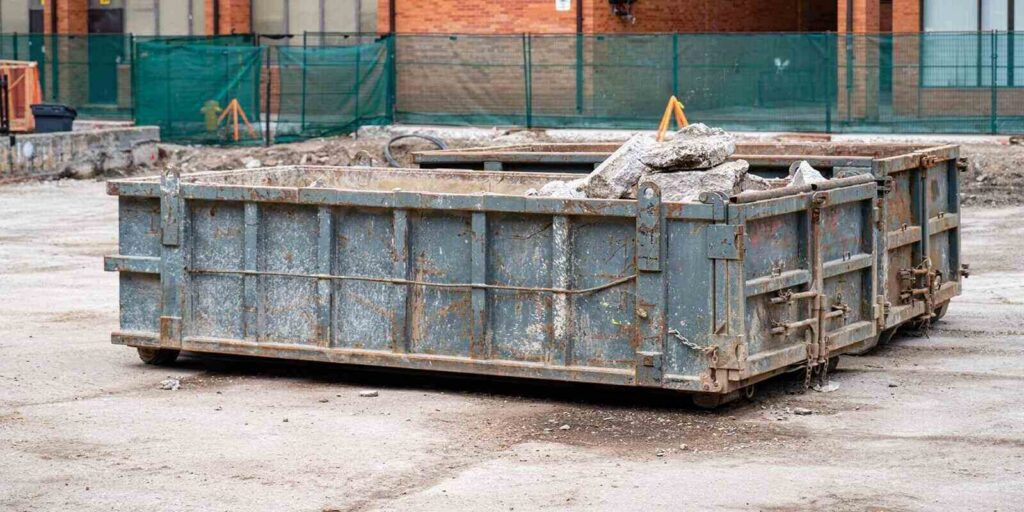
- Asphalt shingles pulled off during a roofing tear-off
- Wood and drywall scrapped on a construction job
- Siding and flooring stripped during a renovation
- Concrete, brick, and block cleared out in a demolition
- Metal flashing and gutters that come off with the old shingles
Some materials need a different disposal process. The restricted materials guidance explains which items require separate handling.
The Maryland Department of the Environment also provides guidance for construction and demolition materials across the state.
Older buildings may contain materials that weren’t visible during the first walkthrough. Confirming those items before loading helps determine the right way to handle them.
Preparing the Delivery Area for a Roofing or Demolition Container
A driveway or a paved staging area can crack or scar under the weight of a loaded container. Plywood or wood blocking set under the wheels before delivery spreads that weight out and protects the surface underneath.
Overhead clearance matters just as much as the ground below. Power lines, tree limbs, and gutter overhangs can sit closer to the drop zone than they first appear on a roofing job. Clearing that space before the truck arrives keeps the delivery quick.
Safe Loading Practices for Roofing and Demolition Debris
Spread heavy debris across the bottom of the container to support a more balanced load during pickup and transport. Place flat materials such as plywood and drywall in layers to use the available space efficiently.
Keep material level with the top edge of the container to support safer transport. Leave enough space around the container for crews to work and for the driver to reach it. Clear access also makes pickups and swaps easier.
Breaking down larger pieces of concrete, block, or framing before loading helps too. Smaller pieces settle into the container more evenly. That lowers the chance of gaps that let material shift during the drive to the disposal facility.
Planning Roll-Off Service Around the Project Schedule
Multi-phase projects work best when container service follows the pace of the job. A roofing contractor might schedule a swap near the end of tear-off work. A demolition crew may need another container as the project moves into its next stage.

Roofing tear-offs leave the roof deck exposed the same day the shingles come off, so weather timing matters more for roofing than for demolition work. A container that’s ready the moment tear-off starts keeps the schedule on track through a rain forecast or an early cold snap.
Sharing the project schedule when arranging roll-off dumpster services gives the service team a better idea of upcoming needs. Contractors also discuss expected timing before work begins.
Project schedules change once work is underway. Direct communication lets you adjust pickup or swap plans as the job moves.
Over 47 Years of Roll-Off Dumpster Service Across Maryland
Eagle Transfer Services has served Maryland customers since 1979 with dependable roll-off dumpster service and direct communication. The team works with contractors and property owners to match container service to each project’s size and needs.
Call 410-983-3332 or contact us online to discuss your roofing or demolition project and find the right container service for the work ahead.
About Us
Since 1979, Eagle Transfer Services has been the Mid-Atlantic's trusted partner for safe, responsible, and efficient waste management. Our commitment to dependable service and environmental responsibility hasn't changed in over 47 years — and it never will.
Learn more →I've been using this company for my business for years. They are always on time and professional. I highly recommend them for all your waste management needs!
These guys are great! They always go above and beyond to make sure my trash is taken care of. I would recommend them to anyone.