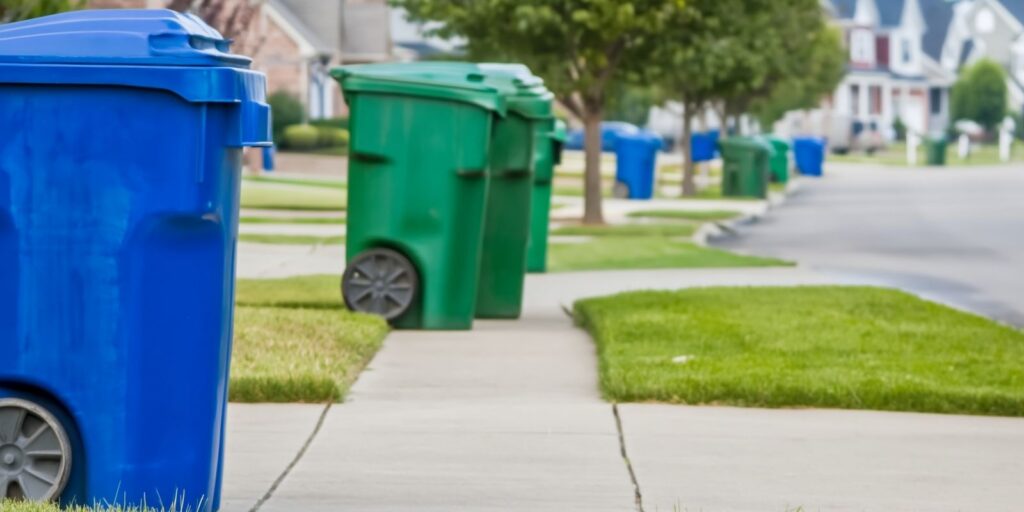


Managing waste across a shared community is more complex than it looks. HOAs must coordinate trash, recyclables, yard debris, and bulk items across dozens or hundreds of households, all while keeping residents satisfied, maintaining community standards, and staying compliant with local regulations.
Waste-related complaints are among the most common issues HOA boards experience, and many stem from unclear policies, inconsistent enforcement, or an unreliable service provider. When everything is working as it should, nobody thinks about it. When it doesn’t, the board hears about it fast.
This article outlines the most practical steps HOAs can take to build a solid waste management plan, from setting clear disposal guidelines and educating residents to choosing a professional service partner that keeps operations running without disruption.
Start With a Written HOA Waste Management Policy
Every organized HOA waste management system starts with a written policy covering when bins go to the curb, where they are stored between pickups, and what belongs in each container.
Prince George’s County, Maryland, for instance, requires containers at the curb no earlier than the evening before collection and removed the same day as pickup. HOA boards in Maryland and the DMV can incorporate local county standards directly. A written plan also gives the board a concrete reference point when enforcing compliance.
Separate Waste Streams to Prevent Contamination
A frequent and costly problem in community waste disposal is mixing materials that do not belong together. Recyclables contaminated with food waste often can’t be processed and end up in the trash. According to The Recycling Partnership, roughly one in four items placed in a community recycling bin does not belong there, driving up costs and undermining the program.
HOAs should establish clear guidelines for three distinct waste categories:
- General household waste: bagged trash for standard collection
- Recyclables: paper, cardboard, plastics, and metals that meet the hauler’s accepted materials list
- Bulk and special items: large furniture, appliances, and yard debris requiring separate scheduling or roll-off dumpster service
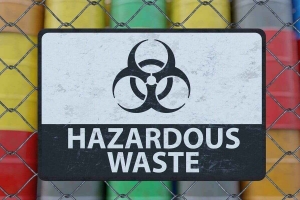
Hazardous materials require separate handling entirely. Paint, solvents, and pesticides should never go in with regular trash. The EPA recommends that communities designate drop-off points or collection events for household hazardous waste to prevent improper disposal that threatens local water systems and human health.
Use Signage and Communication to Reduce Mistakes
Even strong HOA trash collection guidelines fall short if residents are unaware of them. Signage near collection points helps people make the right call at the moment of disposal. Keep messages direct: “Recyclables must be free of food residue,” or “Yard waste in paper bags only.” Distribute updated guidelines annually and include disposal info in new resident welcome packets.
The Recycling Partnership recommends regular outreach targeting the most common contamination issues in each program. Fewer errors mean fewer missed collections and lower costs.
Plan for Bulk Items and Seasonal Volume
Spring cleanouts, holidays, and summer landscaping generate more waste than a standard weekly pickup can handle. Without a plan, bulk items sit at the curb for days, creating eyesores and potential violations.
For high-volume periods, a roll-off dumpster in a central area keeps individual properties clean and simplifies logistics. For yard debris, set seasonal guidelines on acceptable formats: bundled branches within size limits, bagged clippings in biodegradable containers.
Partner With a Reliable Waste Collection Provider
The entire system only works as well as the provider behind it. Missed pickups, poor communication, and inaccessible customer support quickly become the HOA board’s problem to manage, on top of everything else they are already handling.
When evaluating residential waste management services, look for consistent scheduled pickup, live support, and flexibility for special requests. The EPA notes that dependable waste and recycling infrastructure is foundational to sustainable communities. The right partner should simplify operations, not compound the board’s workload.
Enforce Policies Consistently
Rules only work when applied uniformly. Inconsistent enforcement creates resentment and undermines credibility. Start with reminders before escalating to formal notices. Most residents who place items incorrectly do so out of confusion. Once guidelines are clearly communicated and a dependable service is in place, enforcement becomes far less frequent.
Partner With Eagle Transfer Services
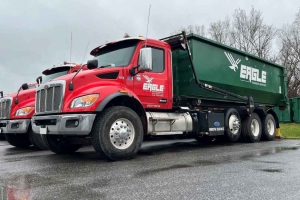
At Eagle Transfer Services, we have spent over 46 years building a reputation that HOA boards and property managers can depend on. We serve residential, commercial, and municipal customers across Maryland and the DMV, and we bring the same standard to every job: show up, solve the problem, and follow through.
We offer roll-off dumpster service for bulk cleanouts, curbside waste collection, yard waste services, and hazardous waste removal, all backed by live phone support from people who know the area. When an issue arises, you can connect with a real person who can provide genuine assistance.
If your HOA is ready to implement a cleaner, more organized waste management approach, contact Eagle Transfer Services online or call (410) 983-3332 to discuss what your community needs.
About Us
Since 1979, Eagle Transfer Services has been the Mid-Atlantic's trusted partner for safe, responsible, and efficient waste management. Our commitment to dependable service and environmental responsibility hasn't changed in over 47 years — and it never will.
Learn more →I've been using this company for my business for years. They are always on time and professional. I highly recommend them for all your waste management needs!
These guys are great! They always go above and beyond to make sure my trash is taken care of. I would recommend them to anyone.