
Managing waste on a commercial property sounds straightforward until something goes wrong. A prohibited item ends up in the bin, a pickup gets refused, or a fine lands on your desk. For property managers, contractors, and business owners in Maryland and the DMV, getting commercial dumpster rules right from the start saves time, money, and headaches.
Maybe you’re clearing out a tenant space and aren’t sure whether the old fluorescent fixtures can go in the roll-off. Or maybe your crew just finished a renovation and someone tossed a paint can in the bin without thinking. These are the situations where knowing what can and cannot go in a dumpster makes a real difference.
What follows breaks down acceptable and prohibited materials, how to handle restricted items properly, and how to build a setup that keeps your property compliant, efficient, and pickup-ready.
What Can Go in a Commercial Dumpster
The good news is that most everyday commercial waste qualifies for a standard roll-off dumpster. Non-hazardous solid waste from businesses, offices, and job sites is generally acceptable.
Acceptable materials typically include:
- General office waste: paper, cardboard, packaging materials, and file folders
- Breakroom waste: food scraps, disposable cups, and non-chemical cleaning supplies
- Construction and demolition debris: drywall, lumber, flooring, roofing shingles, concrete, and brick
- Retail and warehouse waste: broken-down boxes, shrink wrap, and non-hazardous product packaging
- Yard and landscaping debris: grass clippings, branches, and leaves (confirm specifics with your provider)
The EPA regulates solid and hazardous waste under the Resource Conservation and Recovery Act (RCRA), which establishes what qualifies as non-hazardous solid waste and how it must be managed. Items that fall under that non-hazardous category are generally acceptable for standard dumpster disposal.
Dumpster disposal guidelines can vary based on your jurisdiction, facility type, and service provider. Confirm with your waste management partner before loading materials you’re uncertain about.
What Cannot Go in a Dumpster?
This is where commercial dumpster rules get more specific, and where businesses most often run into compliance problems. Prohibited items in a dumpster typically fall into several categories.
Hazardous Chemicals and Liquids
Paints, solvents, pesticides, oils, and cleaning chemicals with hazardous properties are not acceptable for standard dumpster disposal. These materials are regulated under federal law. The EPA’s Managing Your Hazardous Waste: A Guide for Small Businesses outlines how businesses must identify, store, and properly dispose of hazardous waste through certified channels, not standard refuse containers.
A hazardous waste determination is not optional. If your business generates chemical waste, you are responsible for classifying it correctly and arranging appropriate disposal.
Flammable and Reactive Materials
Propane tanks, gasoline containers, compressed gas cylinders, and similar materials are strictly prohibited in any dumpster. These materials pose serious safety risks during transport and processing and are subject to both EPA and Department of Transportation regulations.
Medical and Biohazardous Waste
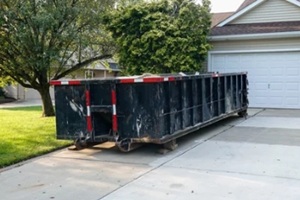
Any waste with infectious potential, including sharps, blood-soaked materials, or clinical waste, must be handled through regulated medical waste disposal channels. This applies to healthcare facilities, dental offices, veterinary clinics, and any commercial property that generates biomedical waste. Tossing this material into a standard dumpster violates both federal regulations and Maryland’s hazardous waste rules.
Tires and Batteries
Both require separate recycling or disposal streams. Auto batteries contain corrosive acid and lead; tires present specific processing challenges. Both are subject to dumpster restrictions in most jurisdictions.
Devices with Refrigerants
Air conditioners, refrigerators, and similar appliances contain refrigerants that must be extracted by a certified technician before disposal. Putting these items in a regular dumpster without removing the refrigerant is a violation of federal law.
Why These Rules Exist
Commercial dumpster rules exist for good reason. Hazardous waste that is improperly disposed of can contaminate groundwater, soil, and surface water, threatening public health and local ecosystems. Maryland’s MDE Solid Waste Program has regulated commercial and industrial solid waste since 1914 because improper handling can pose direct threats to public health and Maryland’s natural resources, particularly water resources.
There is also a real financial risk. Violating hazardous waste regulations in Maryland may lead to administrative fines, civil lawsuits, or criminal charges. Following waste disposal regulations is a legal obligation, not just a best practice.
Waste Segregation Matters
One of the most practical steps a commercial property can take is separating waste at the source. Mixing prohibited items with general waste can contaminate an entire load, result in a refused pickup, and expose your business to liability.
Allocate distinct bins for recyclables, regular office waste, and items that need special care. Label them clearly, and make sure anyone loading the dumpster knows what goes where. The EPA specifically notes that mixing non-hazardous waste with hazardous waste treats the entire batch as hazardous, adding costs and compliance risks.
Choosing the Right Dumpster Size and Pickup Schedule
Beyond what goes in a dumpster, how much goes in matters too. Overfilling a container poses safety risks during transportation and can lead to extra charges or a denied pickup. Most commercial operations benefit from working with their provider to assess volume regularly and schedule pickups before overflow becomes an issue.
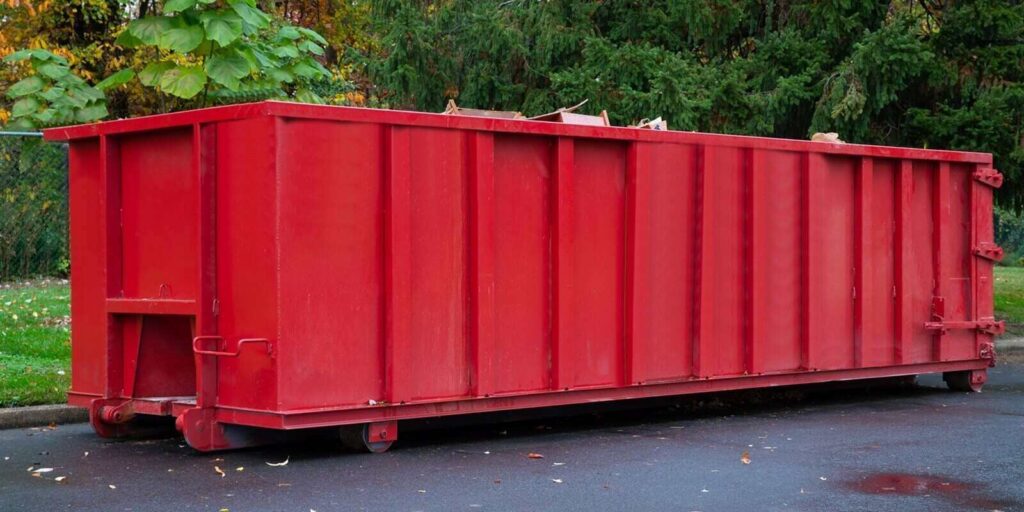
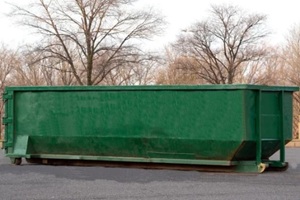
Common roll-off sizes vary from 10-yard containers suitable for smaller cleanouts to 40-yard containers designed for large construction projects. A knowledgeable local provider can help match container capacity to your actual output, preventing overflows that slow job sites and invite code complaints.
Over 47 Years of Commercial Waste Management Across Maryland
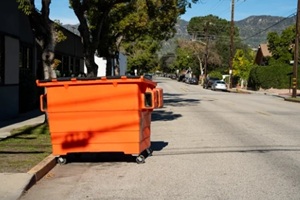
At Eagle Transfer Services, we’ve been helping commercial properties, contractors, and businesses across Maryland manage their waste properly for over 47 years. We know commercial waste management inside and out, and we pick up the phone when you call.
Whether you need a roll-off dumpster for a construction project, ongoing commercial waste services, or guidance on what can go in a dumpster for your specific site, we’re ready to help you stay compliant and keep your property clean.
Contact us online or call (410) 983-3332 to discuss your commercial waste disposal needs. We provide services to clients across Maryland and the DMV area.
About Us
Since 1979, Eagle Transfer Services has been the Mid-Atlantic's trusted partner for safe, responsible, and efficient waste management. Our commitment to dependable service and environmental responsibility hasn't changed in over 47 years — and it never will.
Learn more →I've been using this company for my business for years. They are always on time and professional. I highly recommend them for all your waste management needs!
These guys are great! They always go above and beyond to make sure my trash is taken care of. I would recommend them to anyone.