
A Behind-the-Scenes Look at Finding Savings
Most Baltimore businesses overpay for waste management. Wrong dumpster sizes. Too-frequent pickups. Recyclables headed straight to landfills.
A commercial waste audit shows you exactly where money’s slipping through the cracks. It’s not complicated. Eagle Transfer Service (ETS) examines your waste stream, identifies problems, and provides practical solutions to reduce costs.
Here’s what happens during waste audit services, what to look for, and how our process helps businesses like yours take control of waste management costs.
What is a Waste Audit and Why Should Your Business Care?
Sometimes called waste characterization, a waste audit involves examining what goes into your dumpsters, how often they’re serviced, and whether there are better ways to handle your materials.
The audit process uncovers what many businesses miss:
- recyclables that could earn rebates
- oversized dumpsters costing more than necessary
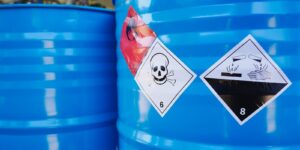
- hazardous materials piling up in storage areas
Manufacturing, distribution, and industrial operations see the biggest savings. But even smaller commercial properties find opportunities once someone takes an objective look at their waste management.
The Step-by-Step Waste Audit Process
Many business owners wonder what actually happens during a waste audit. The good news? It’s straightforward, non-disruptive, and typically takes less than 45 minutes.
Scheduling the Visit
ETS coordinates a visit when your dumpsters are full. This shows us your typical waste volume and patterns. You don’t need to prepare anything or pull staff away from regular work.
The Facility Walkthrough
We tour your facility to understand how waste flows through your property. Sometimes issues hide in plain sight: hazardous waste bins overflowing or recyclables mixed with trash.
Waste Inspection and Documentation
We examine both exterior and interior receptacles, and categorize what we find: construction debris, packaging materials, wet waste, and specialized materials. Photos document current conditions if you allow it.
We also review your current invoices. Baseline data, such as pickup frequency, dumpster quantities, and monthly tonnage, become crucial in making recommendations.
Total time? Under 45 minutes. You’re welcome to join us throughout the process.
What We Look for During a Waste Audit
Every business generates waste differently, but certain patterns emerge during audits that indicate room for improvement.
Wrong Dumpster Sizes
The most common problem. Oversized dumpsters waste money. Undersized ones require expensive extra pickups. Getting the size right directly impacts monthly costs.
Recycling Revenue
Many Baltimore businesses literally throw money away. Old corrugated cardboard (OCC) and plastic film can be diverted from the waste stream. Large enough quantities qualify for rebates. Manufacturing and distribution facilities handling high volumes of packaging often have significant revenue potential they never knew existed.
Pickup Frequency
Some businesses schedule service based on habit rather than need. Even slight adjustments to pickup schedules can reduce annual transportation costs.
Equipment Upgrades
High-volume operations might benefit from compactors. These reduce landfill trips by consolidating waste, lowering both transportation and disposal costs. We evaluate whether this makes financial and operational sense for your business.
Hazardous Material Buildup
Businesses sometimes stockpile hazardous materials because they don’t know how to dispose of them properly. Improperly stored waste poses environmental risks and can trigger EPA violations. Worse, the longer materials accumulate, the more expensive disposal becomes. Avoiding these mistakes prevents costs from spiraling out of control.
Real Discoveries From Audits
Too-Frequent Service
One facility scheduled pickups multiple times weekly out of habit. After analyzing actual volume, Eagle Transfer reduced frequency and saved them thousands of dollars in transportation costs alone.
Missed Recycling Opportunities
A manufacturing client disposed of large quantities of plastic film and cardboard in general waste. Diverting these materials reduced landfill trips and qualified them for rebate programs, generating ongoing revenue.
Compactor Savings
An industrial client exchanged a 20-yard dumpster three to four times weekly. After installing a compactor, pickups dropped to every two weeks, saving approximately $27,000 to $30,000 annually, plus rebates for recyclables.
Hazardous Waste Stockpiling
We’ve found years of chemical products, adhesives, and industrial byproducts stored improperly. Beyond compliance risks, accumulated volume meant disposal costs had grown exponentially. Early intervention prevents these expensive surprises.
Most businesses don’t realize these problems exist until someone looks objectively at their practices.
What Happens After the Audit
You get immediate verbal recommendations on-site. Straightforward feedback about opportunities we’ve identified.
Within days, a detailed quote arrives via email outlining specific services, including dumpster sizes, recycling programs, and construction debris removal for upcoming projects.
If we found hazardous materials, the quote includes pricing for lab pack services and proper disposal. ETS handles complex paperwork and regulatory requirements.
The audit connects directly to practical solutions: roll-off dumpsters, compactor installation, ongoing programs, or specialized disposal services.
Proactive Beats Reactive Every Time
Businesses conducting audits control costs and avoid emergencies. Reactive businesses don’t realize they need changes until something goes wrong: overflowing dumpsters during busy seasons, surprise disposal fees, preventable compliance issues.
According to the EPA, durable goods and materials, such as furniture, packaging, and industrial byproducts, make up a substantial portion of commercial waste, meaning most businesses have untapped opportunities for reduction and savings.
Businesses that schedule regular audits stay ahead of rising disposal costs, changing regulations, and operational shifts that affect waste generation. They make informed decisions based on data rather than assumptions.
See What Your Business Is Missing
Eagle Transfer offers free waste audits because understanding what you’re disposing of and what it costs helps you make smarter decisions.
The process is straightforward and non-disruptive. Whether you’re in manufacturing, distribution, construction, or managing commercial properties, a fresh perspective on your waste stream uncovers significant savings.
Sometimes we discover issues as we go. Other times, the audit confirms you’re already on the right track. Either way, you’ll have information to make confident decisions.
About Us
Since 1979, Eagle Transfer Services has been the Mid-Atlantic's trusted partner for safe, responsible, and efficient waste management. Our commitment to dependable service and environmental responsibility hasn't changed in over 47 years — and it never will.
Learn more →I've been using this company for my business for years. They are always on time and professional. I highly recommend them for all your waste management needs!
These guys are great! They always go above and beyond to make sure my trash is taken care of. I would recommend them to anyone.