
Learn why commercial recycling programs fail at the bin, how placement and signage cut contamination, and what businesses can change to keep loads clean.

Learn how jobsite debris piles turn into OSHA violations, what the housekeeping and waste disposal rules require, and how regular removal keeps sites compliant.

A repaint or tenant build-out usually ends with a stack of partial cans, and crews cannot toss those into the roll-off with the drywall offcuts. Paint disposal costs for a contractor depend on the state, the county, and whether the leftovers are latex or oil-based. Planning paint disposal before the last coat helps the crew […]
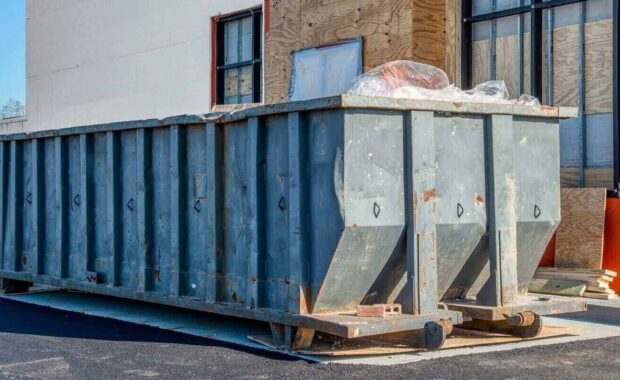
Container size, debris weight, days on site, and the number of hauls determine what a roll-off dumpster adds to a job bid. Contractors who price those items at the walk-through keep overages off their margin after the contract is signed. Estimating dumpster costs that early also lets you show the client clean, itemized numbers. Size […]
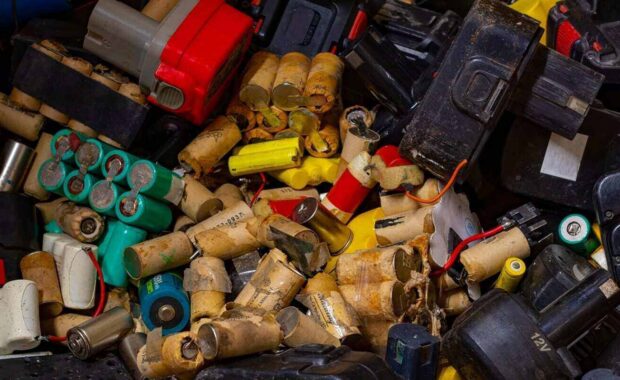
Federal rules limit how long a business can keep batteries, lamps, aerosol cans, and other universal waste on site before it needs to be shipped for proper handling. Universal waste rules generally allow businesses to accumulate qualifying waste for up to one year before it must be sent off-site. What Qualifies As Universal Waste Under […]
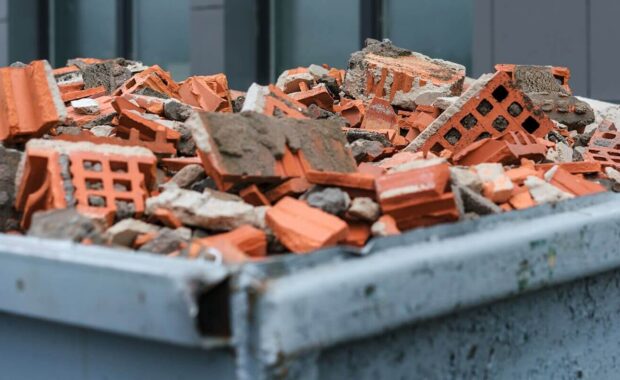
Ordering the wrong container size on a renovation or demolition project usually costs more than getting the estimate right the first time. Estimating construction debris volume correctly before work starts keeps a project on budget and the crew from waiting on a second haul mid-job. Container Sizing Starts With Project Scope Construction debris removal begins […]
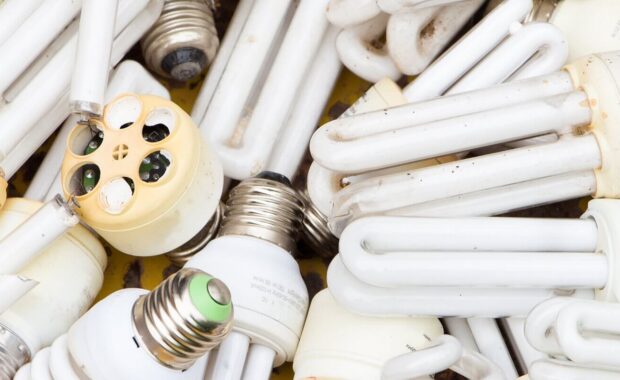
Federal and Maryland rules bar burned-out fluorescent tubes and dead exit-sign batteries from the building’s trash compactor. Regulators call this category universal waste and require separate storage, marking, and shipping standards. The four types found in most commercial buildings are batteries, lamps, mercury-containing equipment, and aerosol cans. What Qualifies As Universal Waste in Maryland The […]

Learn how commercial waste management services help healthcare facilities handle general and regulated waste while meeting strict compliance requirements.
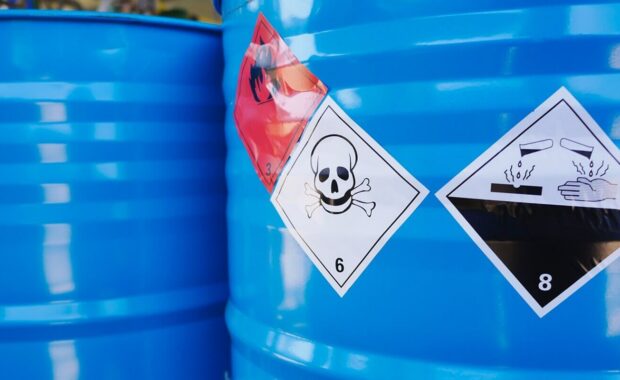
Most warehouses have a shelf, cabinet, or back room where used batteries, aerosol cans, leftover cleaning chemicals, and other hazardous waste collect between disposal runs. Identifying hazardous waste in a warehouse starts with knowing that federal law classifies several of these ordinary items as regulated material the moment they’re discarded. What Counts as Hazardous Waste […]