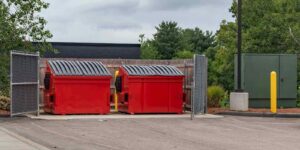
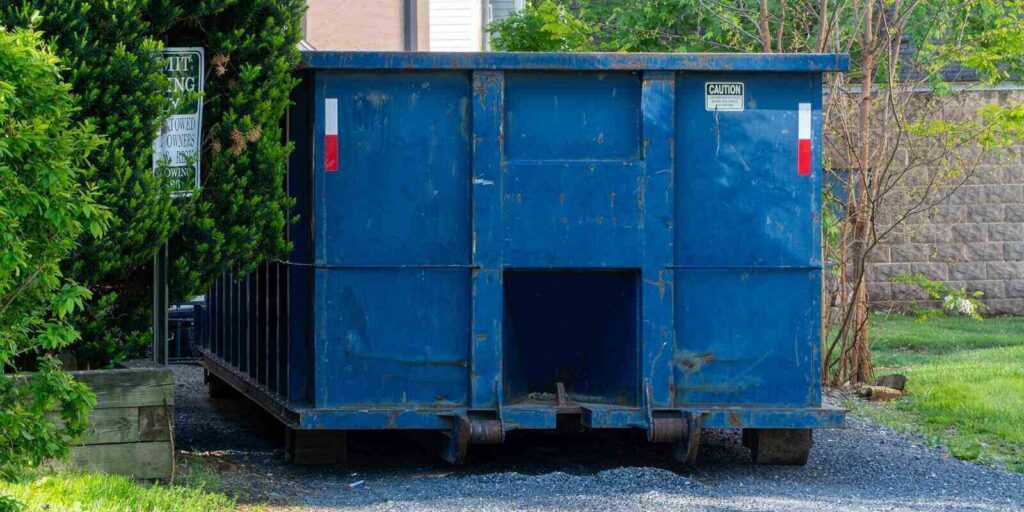


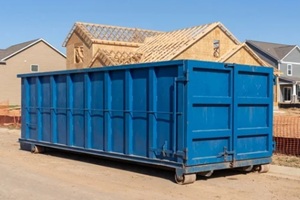
A smooth delivery starts long before the truck pulls up to the curb. Property owners and contractors who take a few minutes to prepare before a roll-off dumpster arrives set the stage for a quick, damage-free delivery. Roll-off dumpster services depend on clear access, a stable surface, and enough room for the driver to maneuver and set the container down in the right spot. Skipping this preparation can lead to cracked pavement, blocked driveways, or delays if a placement permit is needed.
This article covers the steps homeowners and contractors should take before delivery day, including clearing space, protecting surfaces, checking permit rules, and choosing a placement spot that works for the whole project.
Clear Adequate Space Before Delivery Day
Scheduling roll-off dumpster services starts with a clear path for the truck. A typical delivery truck needs a straight run of roughly 60 feet to back into position, plus about 22 feet of overhead clearance for the raised bed. Before delivery day, walk the path and move parked cars, trailers, trash cans, and yard equipment out of the way.
Low-hanging tree limbs, basketball hoops, and mailboxes near the curb are common obstacles that get overlooked until the truck is already on site. Taking care of these ahead of time keeps the driver from having to reroute or reschedule, which is one of the most common causes of delivery delays.
Protect Driveways and Other Surfaces
A loaded roll-off dumpster is heavy, and that weight concentrates on a small footprint of steel rails rather than spreading out like a parked car. Asphalt driveways are especially vulnerable in warm weather, when the surface softens and becomes more prone to indentation from a stationary load. Concrete holds up better overall but can still crack at joints or edges if the base beneath it is thin or already weakened.
Placing plywood sheets or purpose-built protection boards under the drop zone distributes the weight and lowers the risk of scarring, cracking, or rutting. This is worth doing on any paved or gravel surface, not just driveways that already show wear. If a property has a newer or delicate surface, ask about placing the container on a section of lawn or gravel that can better handle the load.
Know When a Permit Applies
Placement on private property, such as a driveway or side yard, generally does not require a permit. Placement within a public street, parking lane, or right-of-way is a different matter. Many Maryland jurisdictions require a right-of-way permit before roll-off dumpster services can proceed in public spaces, and the process may include a site plan, safety devices such as cones or barricades, and a review period of more than a few days. Montgomery County, for example, requires a dumpster permit application, including a proposed location plan, before a container can be placed in the public right-of-way.
Because timelines and rules vary by county, it helps to confirm whether street placement applies to a project well before delivery, rather than finding out once the truck has already arrived.
Choose the Right Placement Location
The best spot for a roll-off container balances a few things: a flat, stable surface, a safe distance from structures and landscaping, and easy access for the loading crew throughout the project. A driveway near the work area is usually the most practical choice for roll-off dumpster services, but a side yard or a section of the parking lot can work just as well if the ground is solid and the truck can reach it in a straight line.
A few points to check before settling on a location:
- Confirm the surface is flat and firm enough to support a fully loaded container.
- Leave enough clearance on all sides for tools, wheelbarrows, or extra materials.
- Keep the spot away from windows, siding, and parked vehicles to avoid contact during placement or pickup.
- Avoid septic fields, well caps, or soft landscaped areas that could shift under weight.
Watch for Overhead and Underground Utilities
Overhead power lines and underground utility lines both deserve attention before delivery day. Federal workplace safety rules call for at least 10 feet of clearance between vehicles or mechanical equipment and energized overhead lines. A loaded delivery truck raises its bed well above normal height when setting a container down. Choosing a drop zone away from power lines and low-hanging wires eliminates this risk.
For any project involving digging near the placement area, Maryland law requires contacting Miss Utility at 811 at least two full business days in advance to have underground lines marked. This step matters even for smaller projects, since gas, electric, and water lines are not always where they seem to be.
Eagle Transfer Services Makes Roll-Off Delivery Simple
At Eagle Transfer Services, we have spent more than four decades helping homeowners, contractors, and municipalities across Maryland set up roll-off dumpster services without the guesswork.
Our team walks clients through space requirements, surface protection, and permit questions before delivery day, so the container lands in the right spot the first time. We answer the phone with a real person, show up when we say we will, and treat every property with the same care we would want for our own.
If a project in Maryland calls for roll-off dumpster services, call Eagle Transfer Services at (410) 983-3332 or contact us online to talk through placement and scheduling.
About Us
Since 1979, Eagle Transfer Services has been the Mid-Atlantic's trusted partner for safe, responsible, and efficient waste management. Our commitment to dependable service and environmental responsibility hasn't changed in over 47 years — and it never will.
Learn more →I've been using this company for my business for years. They are always on time and professional. I highly recommend them for all your waste management needs!
These guys are great! They always go above and beyond to make sure my trash is taken care of. I would recommend them to anyone.