

When containers fill faster than they get emptied, byproduct backs up against the line and a floor that was running clean at the start of first shift becomes a safety problem by mid-afternoon.
Manufacturers need commercial waste management services that keep pace with output, and the right provider builds commercial service around how a plant actually operates.
How Commercial Waste Management Services Differ for Manufacturers
Manufacturing waste management covers the steady, high-volume production waste a facility generates every shift, along with the regulated materials that carry specific handling rules. Unlike the unpredictable bursts of debris on a construction site, a plant produces a consistent load that has to leave the building on schedule, every day, without interrupting production. Some of that load is also recoverable, and applying sound industrial waste recycling practices to production scrap can cut what leaves the plant as general waste.
Matching Container Capacity and Pickup Frequency to Production Output
Undersized containers overflow before the next scheduled pickup, which forces emergency service and creates the exact floor congestion that slows production down. Oversized containers mean a plant pays for air it is hauling around half-empty. Both are avoidable with an accurate read on volume and the right pickup frequency behind it.
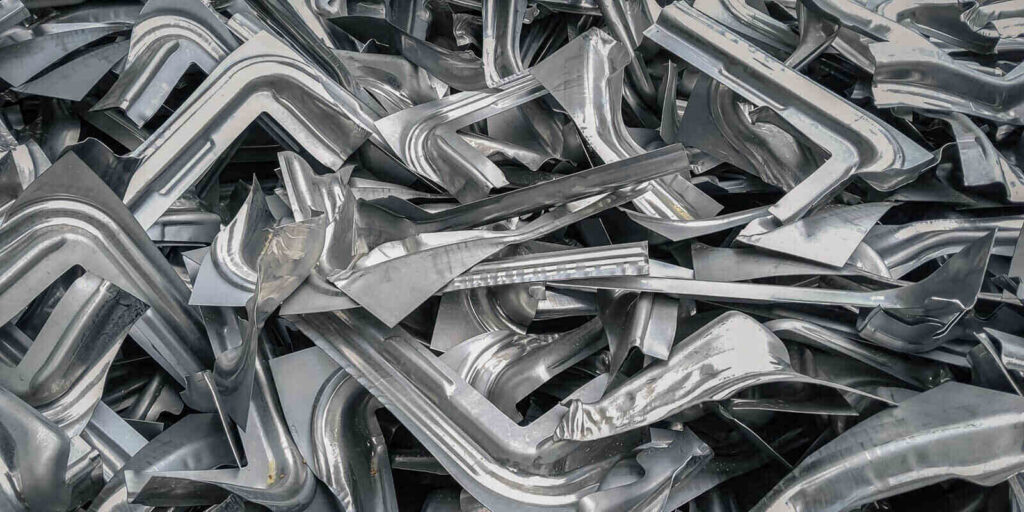
For most manufacturing operations, that means a combination of scheduled service and roll-off dumpster services sized to the waste stream. A facility producing dense scrap needs a different container plan than one generating light, high-bulk packaging waste, because weight and volume fill a container on completely different timelines. Getting the right container size and cadence set from the start is what keeps manufacturing facility waste disposal from turning into a recurring scramble.
A reliable way to size from real numbers is to track how full each container is at pickup over a normal production week and set capacity to the busiest stretch instead of the weekly average. Sizing to the average leaves no room for a heavy run, which is exactly when overflow and emergency service show up. A short logging period up front gives a far better read than a guess based on square footage or headcount.
Handling Regulated Waste Streams and Staying Compliant
Handling regulated waste in manufacturing is where the provider decision carries the most weight, because solvents, used oils, spent process chemicals, and other regulated materials cannot go out with general production waste. Industrial waste compliance depends on keeping those materials separate from general waste and moving them through the correct disposal chain from pickup to final disposition.
The U.S. Environmental Protection Agency puts the responsibility for sound decisions on non-hazardous industrial waste squarely on the facility, and its industrial waste guidance is written for the plant managers making those calls. In Maryland, businesses also have to meet the requirements of the Maryland Department of the Environment’s solid waste program, and any material with hazardous characteristics still falls under stricter rules. No single company handles every waste type, so a plant should confirm exactly what a provider can accept before signing anything.
Before signing, a plant should also verify that the provider is licensed and insured for the specific regulated streams it will carry, and confirm where those materials actually end up. A hauler that cannot name the permitted facility a given waste goes to is a compliance risk, since the generating facility keeps responsibility for that material even after it leaves the dock.
Why Scalable Service Matters When Production Swings
Production output rises and falls, and a seasonal ramp-up or a large new order can double what a line generates for a stretch. Scalable waste services for manufacturing handle that swing without a plant renegotiating its whole service arrangement, adding capacity for a heavy month and pulling it back when the run ends.
This is where a local provider with recurring routes has a structural advantage over a national commodity hauler. Route consistency is what makes same-week adjustments realistic instead of aspirational, because the trucks and crews are already working the area on a predictable schedule. When a plant calls with a change, someone who already knows the account answers.
What Reliable Factory Waste Management Looks Like Day to Day

Scheduled pickups happen on time, and a real person answers the phone when something on the account needs to change. The paperwork documenting where regulated material went stays accurate and available when a facility needs it for its own compliance records.
Safety runs through daily factory waste management, too. Debris with nowhere to go creates hazards on a working floor, and crews that respect a job site keep both the plant’s people and their own working safely. For a plant manager comparing industrial waste management services, this daily consistency is the specific thing worth checking references on before signing.
Put 47 Years of Commercial Waste Management Behind Your Operation
At Eagle Transfer Services, we have been helping Maryland manufacturers get commercial waste management services right for over 47 years. We consider your production output and site before setting container sizes and pickup schedules, because the right fit from the start keeps your line moving and your costs predictable. Contact Eagle Transfer Services online or call (410) 541-4197 to get started.
About Us
Since 1979, Eagle Transfer Services has been the Mid-Atlantic's trusted partner for safe, responsible, and efficient waste management. Our commitment to dependable service and environmental responsibility hasn't changed in over 47 years — and it never will.
Learn more →I've been using this company for my business for years. They are always on time and professional. I highly recommend them for all your waste management needs!
These guys are great! They always go above and beyond to make sure my trash is taken care of. I would recommend them to anyone.