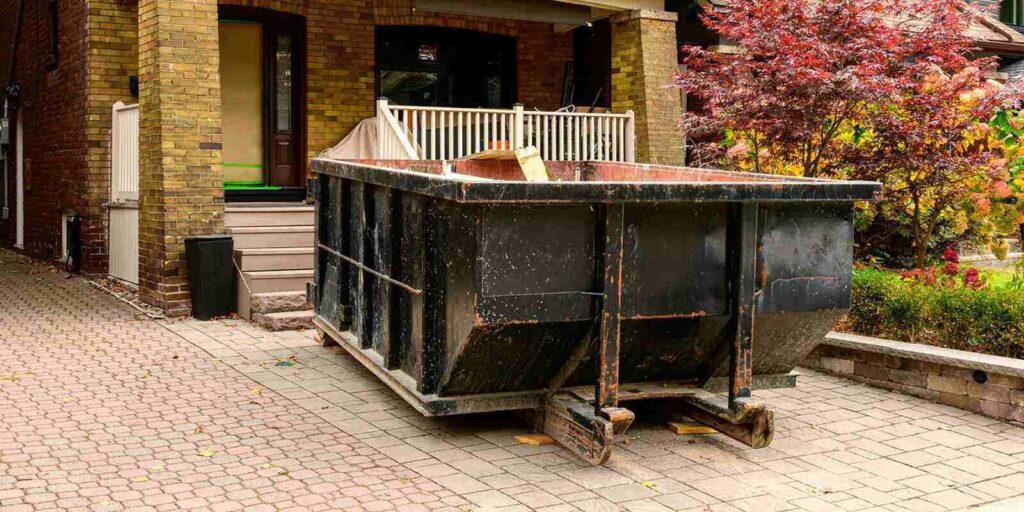


When completing home renovations, construction cleanouts, or seasonal decluttering projects, how you load a roll-off dumpster matters more than most people think. Improper loading can lead to overage fees, safety hazards, or service delays that throw off your entire timeline.
This article covers proven roll-off dumpster loading tips, from layering strategies and bulky waste disposal tips to safety rules and prohibited materials, to help you get the most out of your container and keep your project running smoothly.
Start With a Plan Before You Fill It
Good roll-off dumpster loading tips begin before the first piece of debris goes in. Take a few minutes to think through what you’re disposing of and group materials by size, weight, and type before loading begins. Heavy items such as concrete and roofing materials behave very differently from light, bulky items such as drywall or cardboard.
Also, confirm your container’s weight limit upfront. The Federal Motor Carrier Safety Administration (FMCSA) sets strict cargo securement and weight compliance requirements for roll-off transport, and overloaded containers will not be hauled. Overage fees apply when you exceed your agreed-upon tonnage, and your provider may require removal of the material before pickup.
How to Load a Dumpster Properly: Layer Your Load
The most effective way to maximize dumpster space is to load in layers, not piles.
- Begin by placing flat, heavy items at the bottom. Doors, plywood, and drywall panels create a solid base and eliminate wasted air pockets below.
- Break down bulky materials first. Flatten cardboard, cut lumber to manageable lengths, and disassemble anything that can be reduced in size. This one step alone can dramatically increase usable capacity.
- Fill gaps as you go. Use smaller rubble and loose debris to pack around larger items. Think of it like a puzzle: the tighter the fit, the more you get in.
- Place lighter materials on top. Insulation, plastic sheeting, and bagged debris cap the load without compressing heavier material below.
Dumpster Loading Safety Tips You Shouldn’t Skip
Knowing how to load a dumpster properly includes safety, not just space management.
More than just maximizing space, proper dumpster loading must include safety. Keep the surrounding area clear of obstacles and never try to move items inside the container by hand or foot. Under no circumstances should anyone enter the dumpster itself.
Wearing the right personal protective equipment, such as gloves and high-visibility clothing, is essential. Planning the work area before loading begins helps reduce risks and keeps the process efficient.
Don’t Fill Above the Top Rail

When debris exceeds the container’s top edge, it can shift or fall during transport, creating a genuine road hazard for other drivers. Most providers won’t haul an overfilled container. If you’re out of room, schedule an additional pickup rather than piling higher.
Keep Prohibited Materials Out
This is where safe debris disposal methods matter most. Hazardous materials, including paints, solvents, batteries, and chemicals, must not be disposed of in a standard roll-off container. The EPA oversees hazardous waste management in accordance with the Resource Conservation and Recovery Act (RCRA), and any violations may lead to penalties or denial of waste transportation.
Construction Dumpster Loading Tips for Job Sites
On active sites, construction dumpster loading tips carry added weight. Dense materials like concrete and brick can push a container past its limit before it looks full.
- When disposing of particularly dense materials, schedule pickups at half capacity rather than waiting until the container is full.
- Keep clear access around the container at all times, since service vehicles need adequate room to maneuver safely.
- Distribute weight evenly across the full length of the container as well.
Unbalanced loads shift during transport, creating a real safety risk for your team and everyone on the road.
Smart Loading Pays Off
Following smart dumpster rental practices not only helps control costs but also keeps your project on track and safe. By loading efficiently, you can reduce the number of hauls needed, which saves both time and money.
At the same time, avoiding prohibited items ensures compliance and prevents unexpected fees, while keeping the surrounding area clear allows for smooth pickup and delivery. Together, these practices create a seamless workflow that supports a safer, more efficient project from start to finish.
Contact Eagle Transfer Services to Get Started
At Eagle Transfer Services, we’ve been showing up for homeowners, contractors, and businesses across Maryland and the DMV for 46 years. We take pride in every pickup, and we’re ready to make your cleanup project as smooth as possible from the first call to the final haul.
Contact us online or call (410) 239-9366 to speak with a live person who can help you choose the right container for your job and experience the dependable service that keeps our customers coming back year after year.
Eagle Transfer Services serves clients within 25 miles of Finksburg, Maryland. Schedule your service today.
About Us
Since 1979, Eagle Transfer Services has been the Mid-Atlantic's trusted partner for safe, responsible, and efficient waste management. Our commitment to dependable service and environmental responsibility hasn't changed in over 47 years — and it never will.
Learn more →I've been using this company for my business for years. They are always on time and professional. I highly recommend them for all your waste management needs!
These guys are great! They always go above and beyond to make sure my trash is taken care of. I would recommend them to anyone.